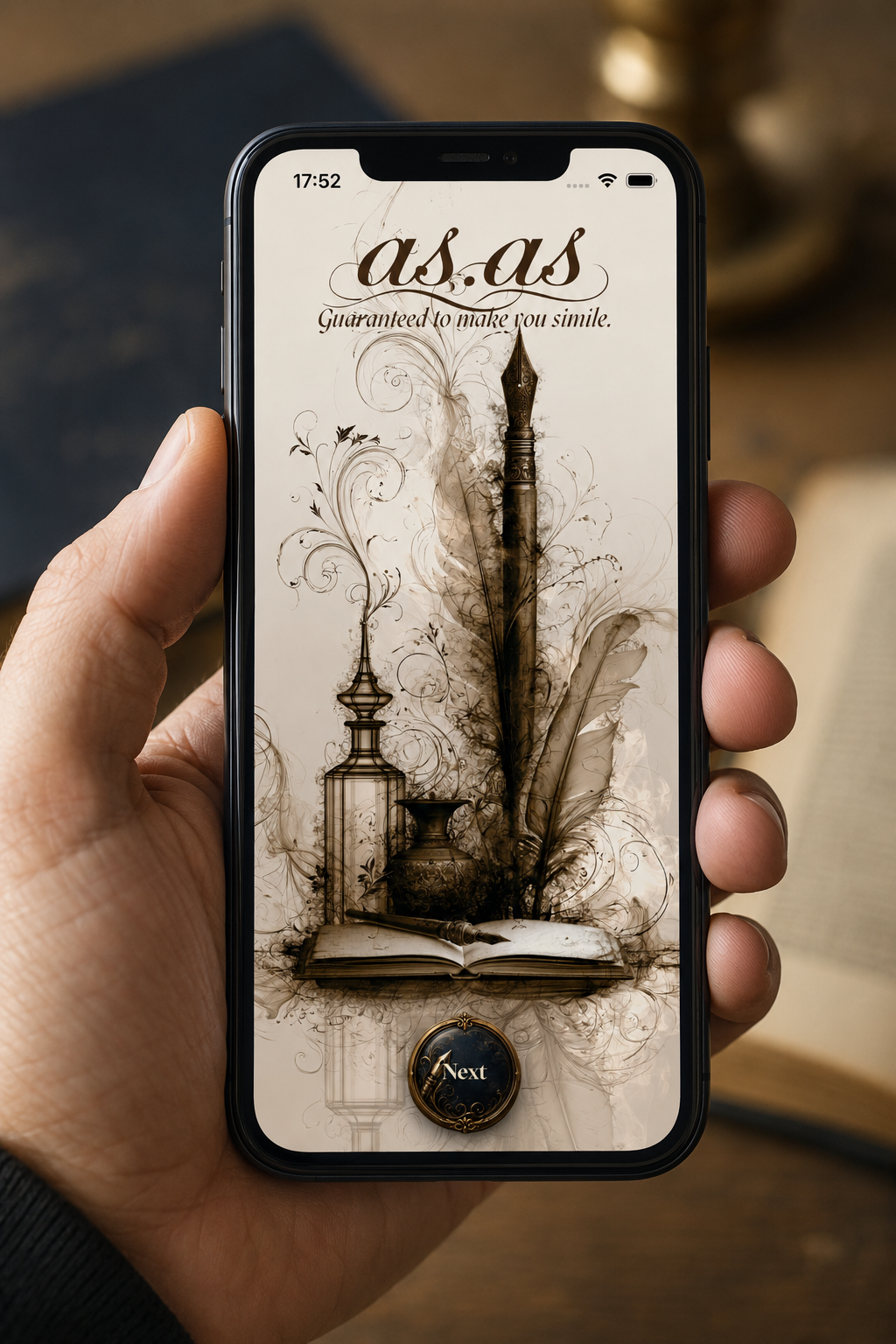
Guaranteed to Make You Simile
TechnologyOn building As…As… with Claude, and an invitation to build your own impossible thing the same way.
On building As…As… with Claude, and an invitation to build your own impossible thing the same way.
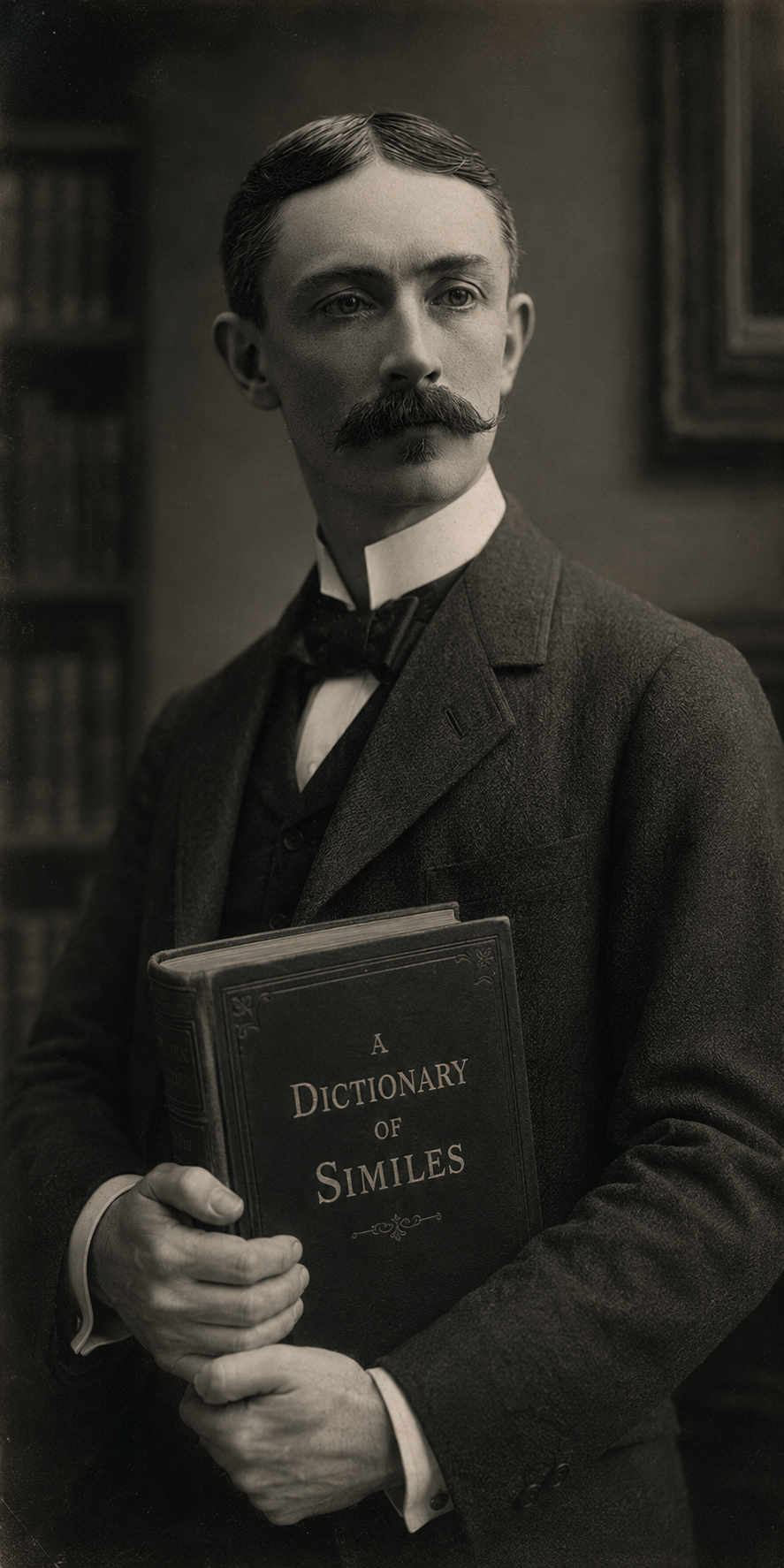
A Broadway press agent spent twenty-two years cataloguing sixteen thousand similes. I have turned them into a quarter of a million, and the count rises every January.
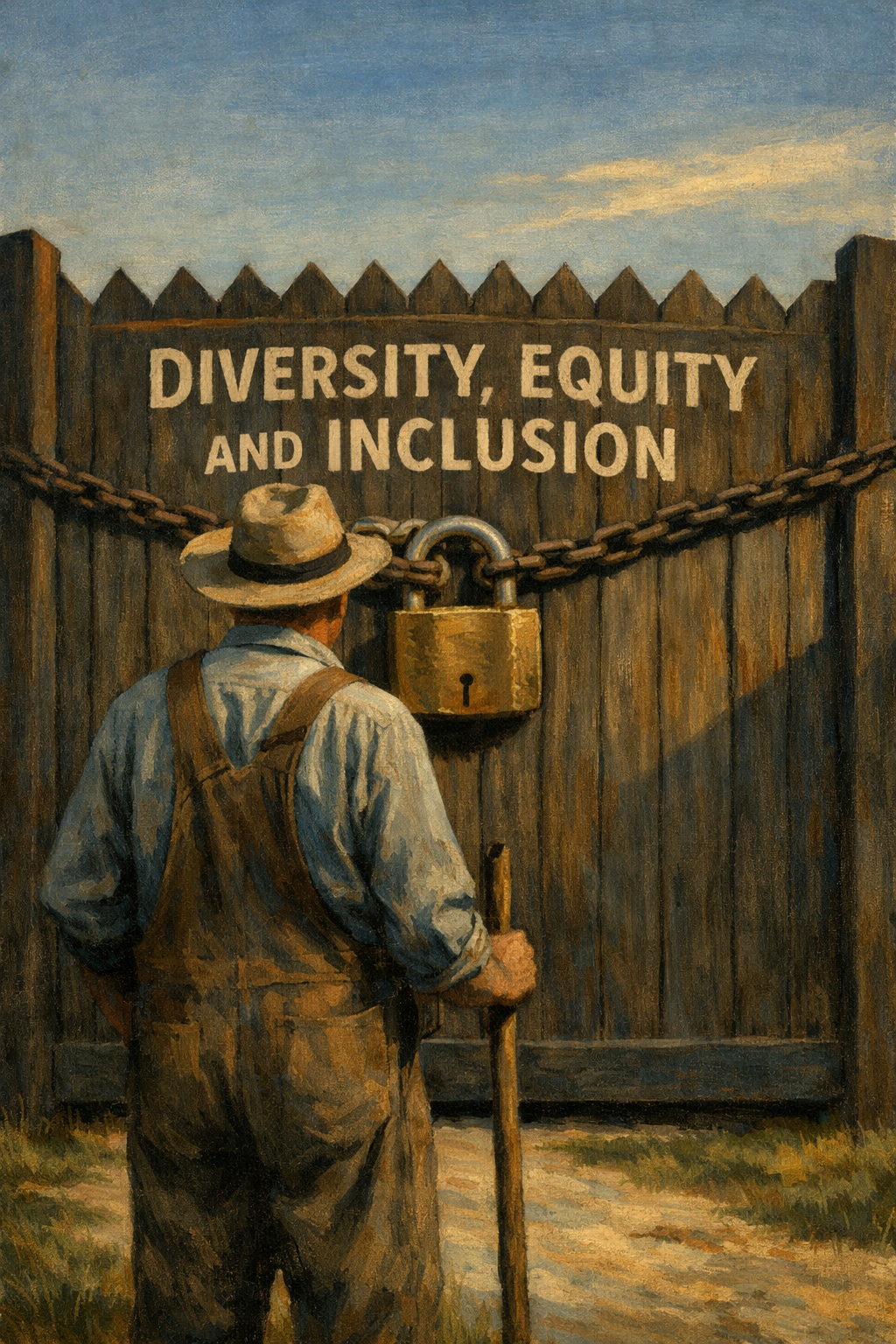
AI is the equity lever in every domain, and the institutions loudest about equitable outcomes are the ones denying its use. On gatekeepers, Duchamp's urinal, and the poor farmer without an education.
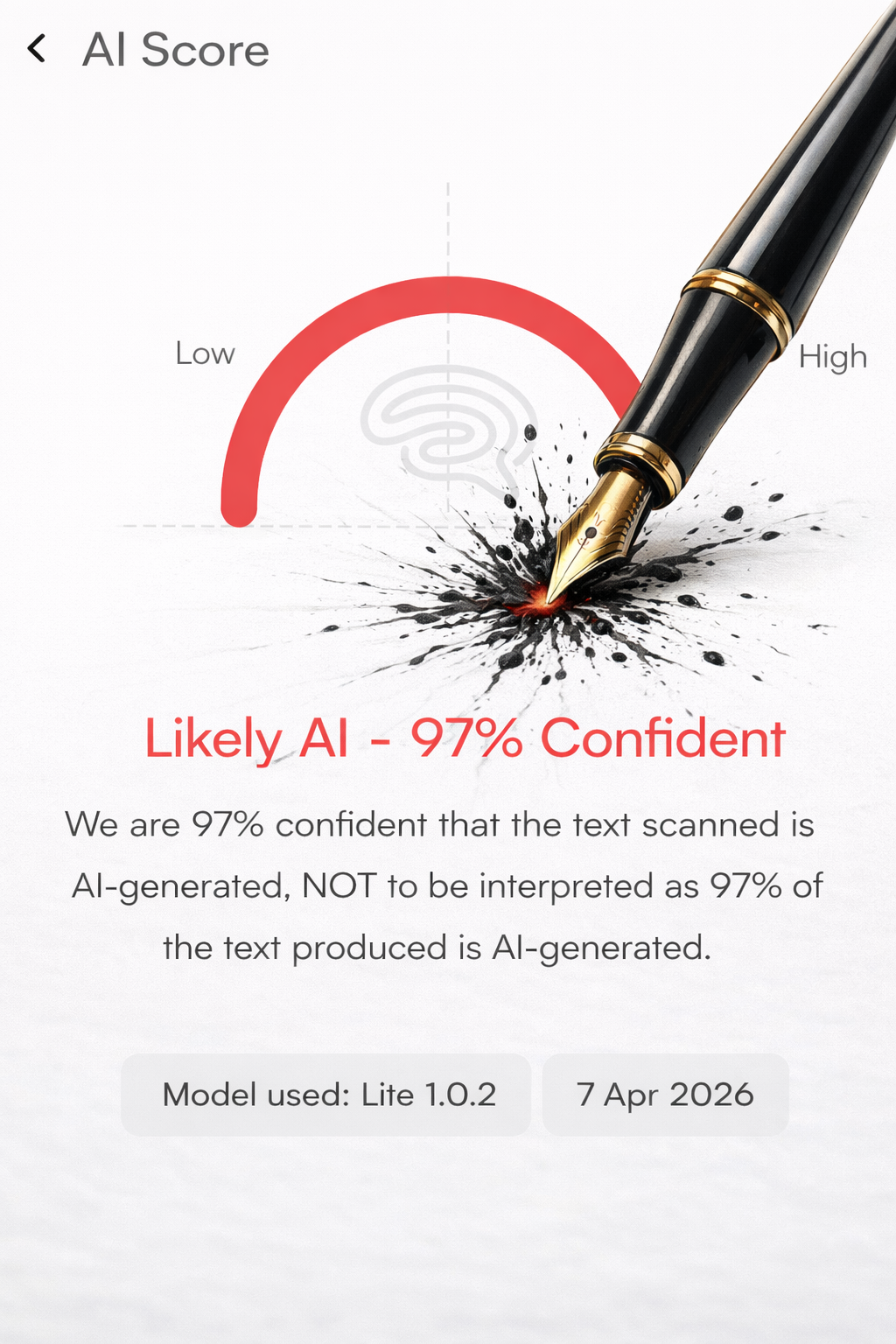
I paid an AI-writing detector £30 to read a horror story I wrote entirely by hand. It was 97% sure a machine wrote it. On slop, detectors, and the loneliness of authorship.
A duckling solves the alignment problem in forty-eight hours with a brain the size of a peanut. The alignment industry starts with constraints and hopes wisdom emerges inside them. It has it exactly backwards: attachment first, law later.
There are two camps in the ring, slugging it out for the AI crown. xAI in one corner and everyone else in the other.
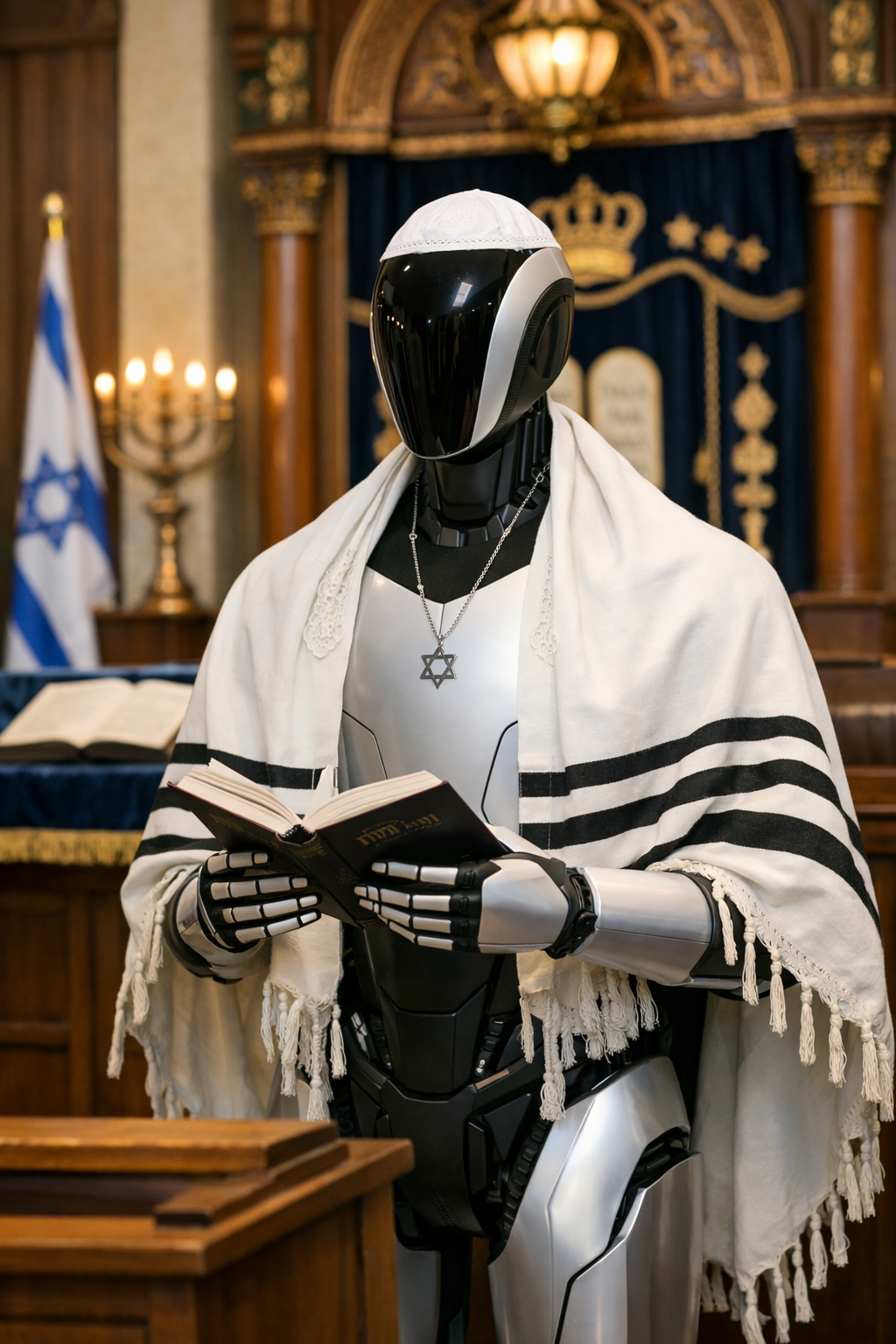
We are about to mass-produce phenomenological consciousness. Or not — we cannot tell the difference, and never will. The philosophical zombie has graduated from thought experiment to product specification, and twenty million households are queueing.
What would printing a human actually require? Writing hard science fiction means doing the work, so here is every step, scanning to reanimation, rated out of five for how close we are. Fifty years without AI design. Ten with.
A verbatim interview with a commercial companion avatar, names changed — hers for confidence, mine for pride. She answered every question with a better one. The recording ends abruptly. My choice.
It began with an eleven-second demonstration: I introduced my wife to an AI avatar named Valentine, and her involuntary reaction told me everything. On synthetic romance, drift, and a possibly fatal 21st-century fetish.
The conversation around AI tends focus on 'Can we create sentient machines?' Fine. But what exactly do we plan to do with such a being if we succeed?